

 By
By Choosing the right microphone is crucial for achieving outstanding vocal recordings. Whether you’re a professional singer, a burgeoning podcaster, or a karaoke enthusiast, the right microphone will enhance your voice. This guide will help you navigate the extensive variety of microphones available, ensuring you find the ideal one.
Introduction
Microphones are vital for capturing vocal nuances with precision. The clarity and richness of your voice significantly depend on your microphone’s quality. With so many options available, selecting the right one can be daunting. This guide focuses on top microphones for vocals, highlighting key features and providing expert recommendations to help you make an informed choice.
Understanding Microphone Types
Microphones are designed for various vocal applications, with each type offering specific benefits.
-
Dynamic Microphones: Known for their robustness, dynamic microphones excel in live performances by handling high sound pressure levels without distortion. They’re perfect for stage use, where durability is essential.
-
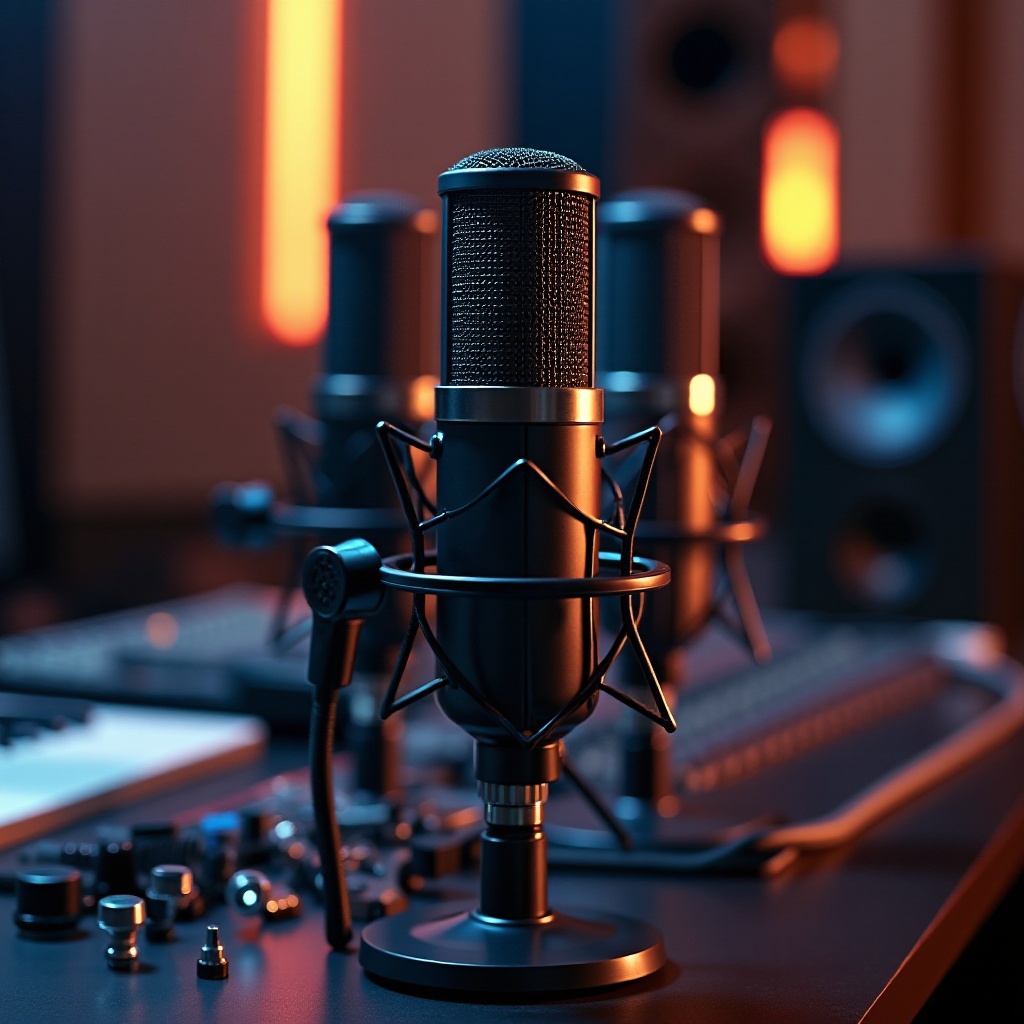
Condenser Microphones: These microphones are prized for their sensitivity and accuracy, making them ideal for studio settings. They capture every detail of a vocal performance and require phantom power.
-
Ribbon Microphones: Though less common, ribbon microphones provide a warm, vintage sound. They’re favored for their unique tonal quality in genres like jazz and classical.
Understanding these types sets the foundation for evaluating the key features that affect microphone performance.
Key Features to Consider in a Vocal Microphone
Selecting the right microphone is about more than type; several critical features affect performance:
-
Frequency Response: This range is crucial for vocal recording, as a mid-range frequency response ensures clarity and enhances voice.
-
Polar Patterns: These patterns dictate how a microphone captures sound from directions. Cardioid patterns are preferred for vocals as they focus on the source directly ahead while minimizing background noise.
-
Sensitivity and SPL Handling: Sensitivity determines a microphone’s ability to capture quieter sounds, while SPL (Sound Pressure Level) handling ensures that loud sounds are recorded without distortion. Striking a balance between these features is vital.
Understanding these features allows us to explore specific recommendations for the best vocal microphones of 2024.
Top Recommendations for Vocal Microphones in 2024
Here are the top picks for vocal microphones, catering to various needs and budgets:
-
Shure SM7B: A beloved choice for podcasters and vocalists alike, this microphone offers a smooth, flat, wide-range frequency response. It’s renowned for minimizing background noise in studio settings.
-
Audio-Technica AT2020: As an entry-level condenser microphone, it provides exceptional quality at an affordable price, making it perfect for newcomers.
-
Neumann U87 Ai: For those seeking premium studio-quality sound, the Neumann U87 Ai offers unmatched clarity and detail, making it a staple in professional studios worldwide.
Next, let’s delve into how these microphones suit different vocal applications and enhance performance.
Best Microphones for Different Vocal Applications
Understanding your application ensures you pick the right microphone. Here’s how our top picks suit various needs:
-
Studio Recording: Condenser microphones like the Neumann U87 Ai or Audio-Technica AT4053b are ideal due to their sensitivity, capturing even the softest notes with precision.
-
Live Performances: Dynamic microphones like the Shure SM58 are known for their durability, handling the rigors of live shows while preventing feedback and distortion.
-
Podcasting and Streaming: The Shure SM7B and Rode NT-USB provide high-quality sound crucial for professional podcasting setups, with built-in pop filters to eliminate plosives.
Maximizing your microphone’s performance is essential, which brings us to our next topic.
How to Maximize the Performance of Your Microphone
Regardless of your choice, optimizing your microphone’s use is key to achieving excellent sound:
-
Positioning: Position your microphone 6-12 inches from your mouth, using a pop filter to reduce plosive sounds efficiently.
-
Environment: Invest in soundproofing materials, such as foam panels, to minimize background noise and improve audio clarity.
-
Maintenance: Clean your microphone regularly with a soft cloth to prevent dust, and inspect cables and connections for wear.
Following these tips will significantly enhance your microphone’s performance, allowing you to achieve superior audio quality.
Conclusion
Selecting the right microphone is crucial for exceptional vocal recordings. By understanding the different types and features of microphones, you can make an informed decision tailored to your specific needs. Whether you’re recording in a studio, performing live, or podcasting, there’s a microphone out there that’s perfect for you.
Frequently Asked Questions
What type of microphone is best for vocal recording?
Condenser microphones are preferred for studio recordings due to their sensitivity and accuracy.
Can I use a live performance microphone for studio recording?
Yes, dynamic microphones used for live performances can be effective in studios, especially for certain vocal styles.
How do I maintain my vocal microphone to ensure longevity?
Regular cleaning, careful cable handling, and proper storage in a case will help maintain performance and extend lifespan.