

 By
By Portable solar generators are rapidly evolving to meet the growing demand for clean energy solutions. As the world shifts towards sustainable practices, these generators are becoming indispensable for both individual and business use. In 2026, innovation is set to redefine this market, making these devices more efficient and user-friendly. Consumers and industries alike are seeking reliable off-grid power sources that are easy to use and transport. This demand is fueling advancements that promise improved energy efficiency, connectivity, and adaptability. From outdoor adventures to emergency preparedness, portable solar generators are proving essential in diverse settings, ensuring access to power wherever and whenever it’s needed most. Let’s delve into the key trends that will shape the 2026 landscape.
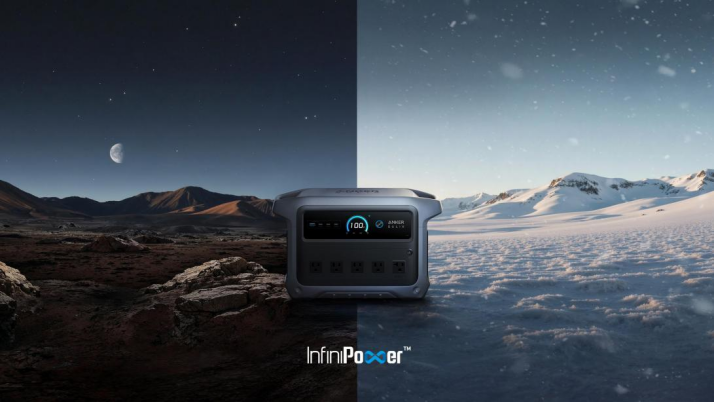
Technology Trends Shaping Portable Solar Power
Technological advancements are at the forefront of the portable solar generator market. Manufacturers are focusing on enhancing charging speeds and energy efficiency, while also improving design for portability and scalability.
Faster Charging and Better Efficiency
In 2026, portable solar generators are expected to incorporate cutting-edge technologies for faster charging times. These innovations include advanced photovoltaic cells with higher conversion rates and sophisticated electronic controllers that optimize energy capture. Manufacturers are also investing in efficient battery systems that retain charge longer, providing users with dependable energy. Smart charging algorithms will manage energy more effectively, reducing electricity waste and ensuring rapid device readiness. Companies are developing high-speed charging solutions that accommodate various environments, thereby expanding their usability. By minimizing downtime and maximizing efficiency, these advancements ensure that portable solar generators remain practical, reliable choices for both urban and remote areas.
Lighter, More Portable Designs
As demand for mobility increases, the focus on producing lighter, more portable solar generators intensifies. Carbon fiber frames and high-density batteries are becoming standard, reducing weight while maintaining durability. Manufacturers are engineering compact designs that don’t compromise on power, ensuring that units remain unobtrusive yet potent. Innovations in foldable panels and collapsible structures enhance portability, allowing users to transport them with ease. The reduction in size and weight makes these generators ideal for travel or emergency kits. This trend is driving an industry-wide shift towards sleek, minimalist designs that offer maximum power efficiency without the bulk.
Modular and Scalable Systems
Modularity is revolutionizing the portable solar generator sector. Companies are introducing systems that users can expand based on their energy demands. These modular setups allow seamless integration of additional panels or battery units. This adaptability ensures optimal performance for a variety of uses, from camping trips to powering larger appliances in off-grid locations. Scalable solutions are also cost-effective, as consumers can invest incrementally instead of purchasing overly large systems upfront. Manufacturers are prioritizing user-friendly assembly to facilitate easy modifications. By accommodating growing energy needs, modular systems promise a flexible, future-proof power solution.
Integration With Smart Tech and Connectivity
The integration of smart technology is transforming how users interact with the portable solar power generator. Enhanced connectivity options offer more control and monitoring capabilities.
App Control and Remote Monitoring
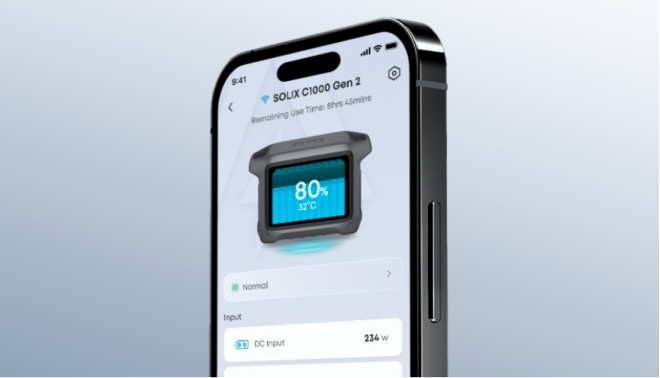
By 2026, controlling and monitoring solar generators via smartphone apps will be standard. These applications enable users to adjust settings remotely, providing convenience and efficiency in energy management. Real-time data displays allow accurate monitoring of power usage, generation statistics, and battery health. Alerts and notifications ensure users are informed of any issues, facilitating prompt resolution. This connectivity empowers users with greater autonomy and understanding of their energy consumption patterns. As a result, app control enhances user experience by delivering seamless, hassle-free operation tailored to individual needs.
Energy Management and IoT Links
The Internet of Things (IoT) revolution is set to redefine energy management in portable solar generators. In 2026, these devices will link with other smart home appliances, enabling integrated energy governance. IoT connectivity ensures optimal power distribution, reducing wastage and enhancing energy conservation. Advanced algorithms will predict consumption trends, allowing automated adjustments to improve efficiency. This seamless integration with smart ecosystems facilitates synchronized energy use, resulting in smarter and more economical power consumption. Users gain insight into their energy patterns, optimizing usage across connected devices.
Future Outlook: What to Expect Beyond 2026
Innovation in portable solar technology continues at a brisk pace, with exciting developments on the horizon that promise to enhance functionality and adoption.
Advanced Energy Storage and New Materials
Beyond 2026, advancements in energy storage will revolutionize the portable solar generator industry. Cutting-edge materials, such as solid-state batteries, will offer superior energy density, extending usage time without increasing size. Nanotechnology and advanced polymers will further enhance battery lifespan and efficiency. These innovations will allow portable solar systems to store more energy in smaller packages, making them even more attractive for various applications. Improved durability and weight reduction are expected as companies deploy these next-gen materials to enhance product performance and lifespan.
Broader Adoption and EV/Storage Integration
As awareness of renewable energy’s benefits grows, wider adoption of portable solar generators is inevitable. This trend will be fueled by the integration of electric vehicle (EV) compatibility and improved energy storage solutions. Homeowners and businesses will favor systems that supplement their EVs, providing efficient on-the-go charging options. This integration allows for the seamless blending of portable solar power with existing renewable infrastructures, supporting a more sustainable lifestyle. As these generators become essential household items, the market will witness unprecedented growth, driven by increased accessibility and utility.
Conclusion
The portable solar generator market is on a transformative journey, shaped by rapid technological advancements and growing environmental consciousness. As we move toward 2026, innovations will drive improvements in efficiency, design, and connectivity, making these devices more user-friendly and versatile. Modular systems and smart tech integration will cater to diverse energy needs, supporting widespread adoption across various sectors. This evolution promises a future where clean, reliable power is accessible to all, meeting the demands of an increasingly mobile and environmentally aware society. Embracing these trends ensures readiness for the sustainable power solutions that lie ahead.